
preserving the legacy.
Buckarooing is a culture built out of necessity in rough country and fashioned into a legacy of smooth, mindful livestock handling. It reflects generations of shared knowledge shaped by Mexican Vaqueros, Native Americans, Freedmen, ranch families, and working hands across the Great Basin.
Our traditions are practical, artistic, and deeply relationship-based. They are passed from person to person, often through years of observation and work instead of formal instruction. Unless you are a part of our community, it is very hard to authentically participate.
Buckaroo Traditions Gathering—BTG—honors these Buckaroo traditions and artforms that have been handed down by many cultures and used in ranching for over 150 years.
In this growing digital age, we have created a gathering space that inspires, preserves, and promotes our tradition, art, and culture. BTG is a homecoming that welcomes competitors and visitors from all walks of life.
We invite you to experience it with us.
Born out of necessity and forged into tradition and artistry.
“A horse doesn’t know it’s making history. A rope doesn’t know it’s preserving tradition. A good hand rarely asks for recognition. Yet every generation decides what will be carried forward through stories and other ways of knowing.”
honoring the future.
BTG is not a rodeo. It gives visitors a rare opportunity to understand why the Buckaroo tradition remains relevant to modern ranching and responsible stewardship.
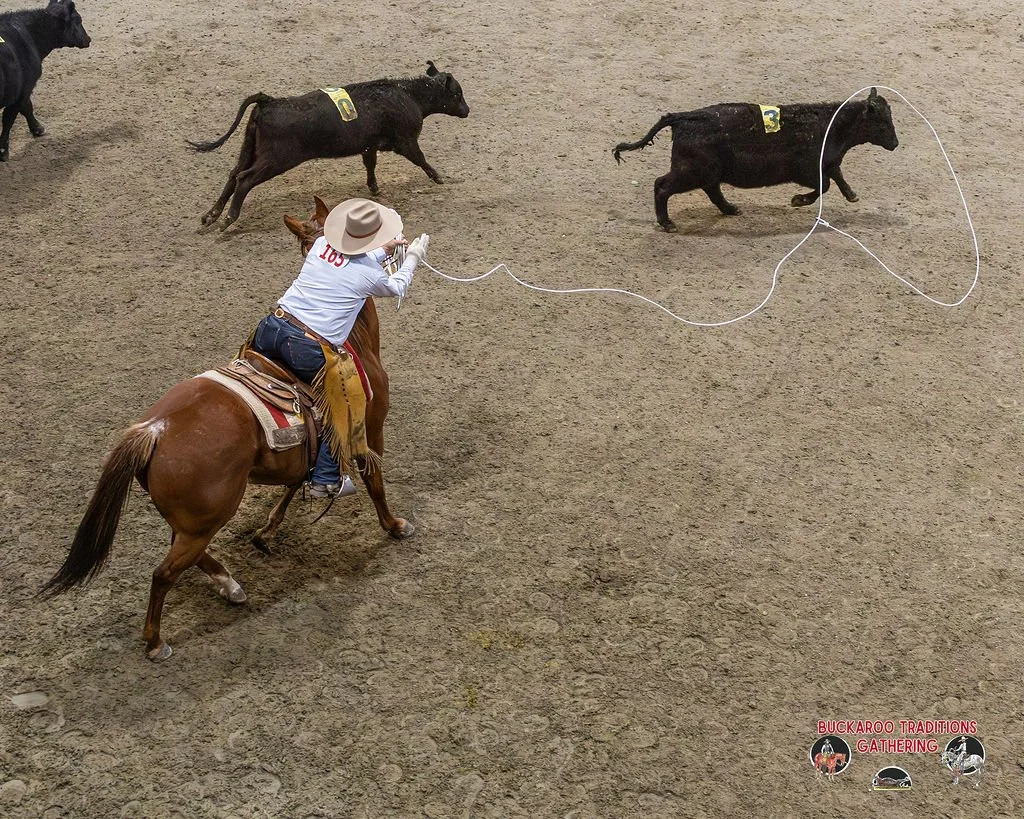
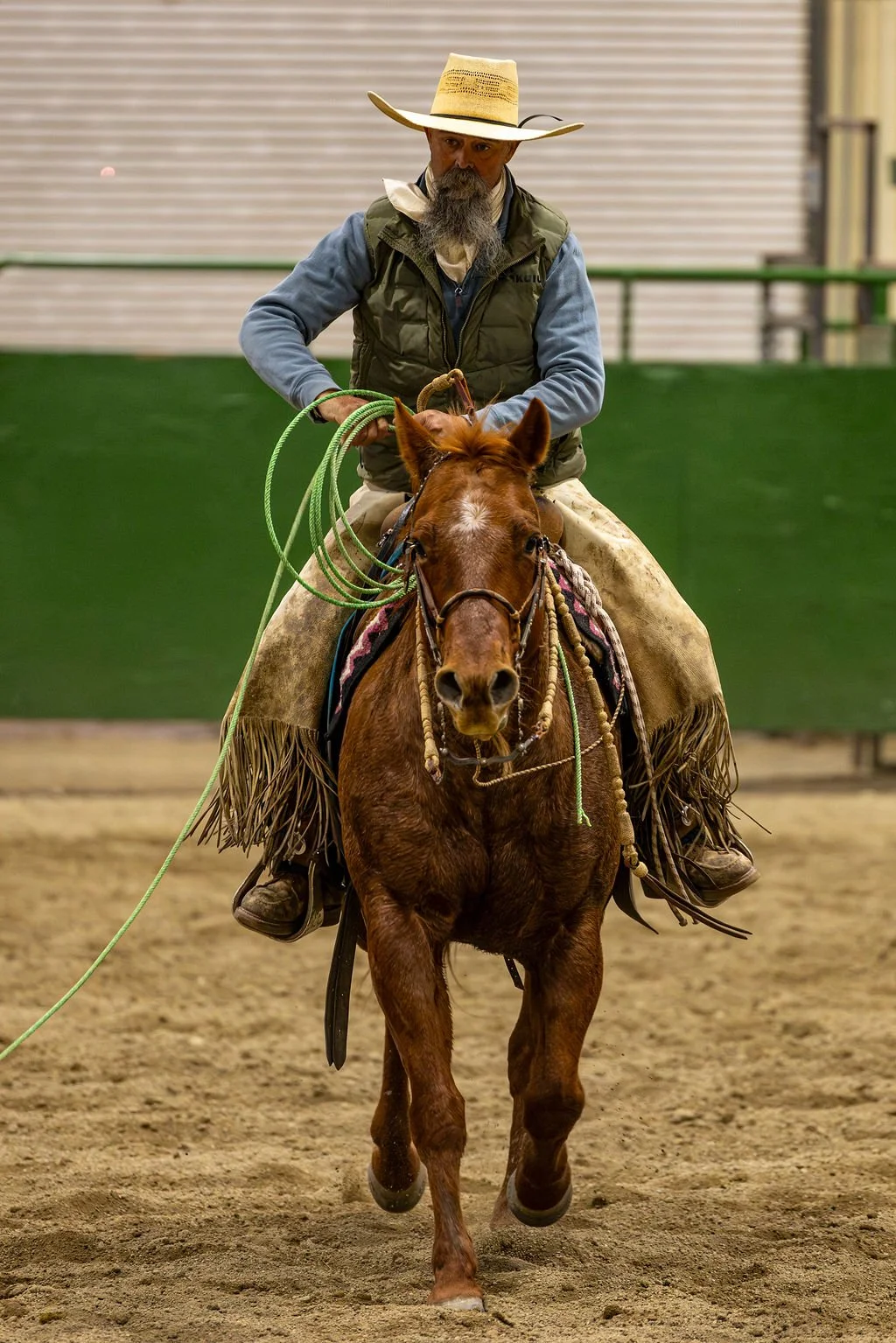
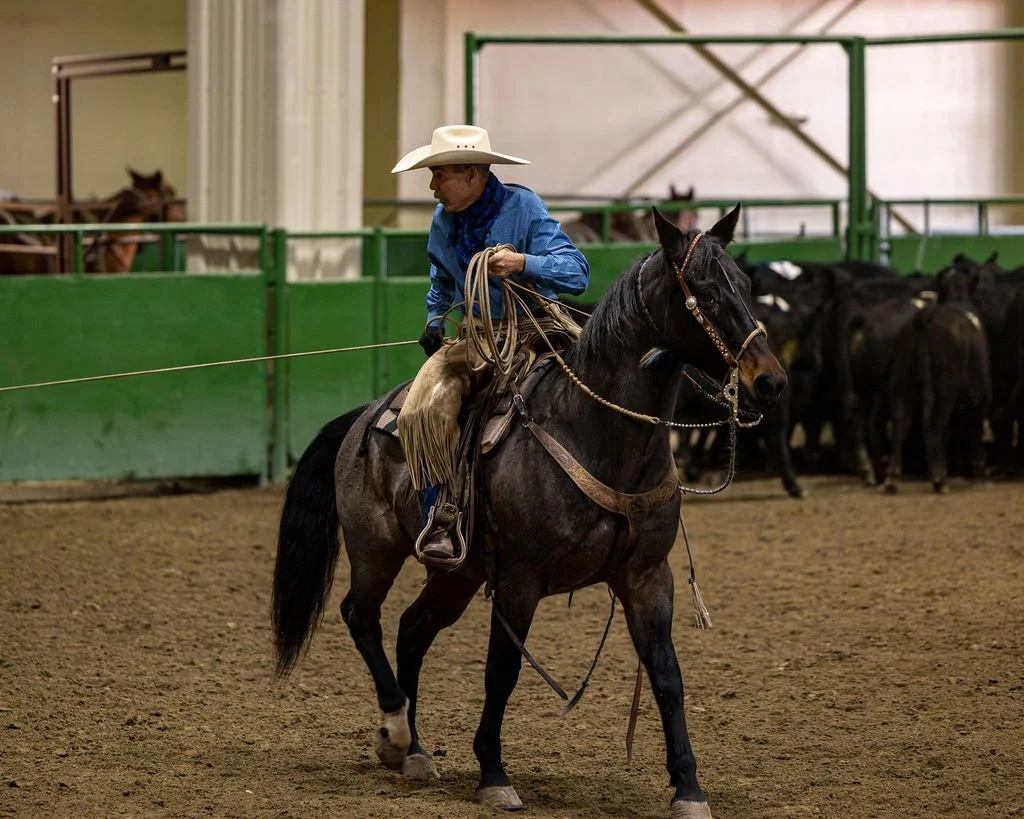
Our Big Loop Roping competitions replicates the real-life working situations of the working Buckaroo that are carried out on ranches across the Great Basin and beyond. We bring together the best Buckaroos from across the United States and beyond to compete and showcase their skills in four different competitions.
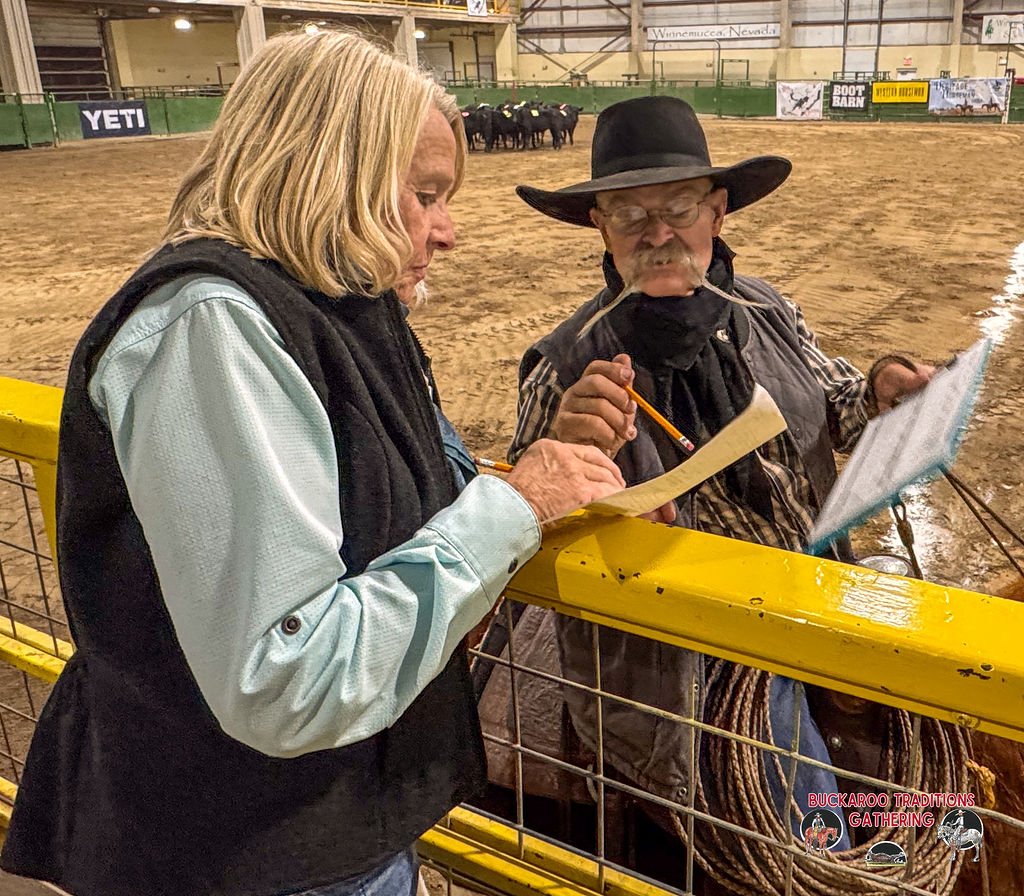
Each competition is judged by a team of real-life working Buckaroos who are highly qualified and respected in the Buckaroo world.
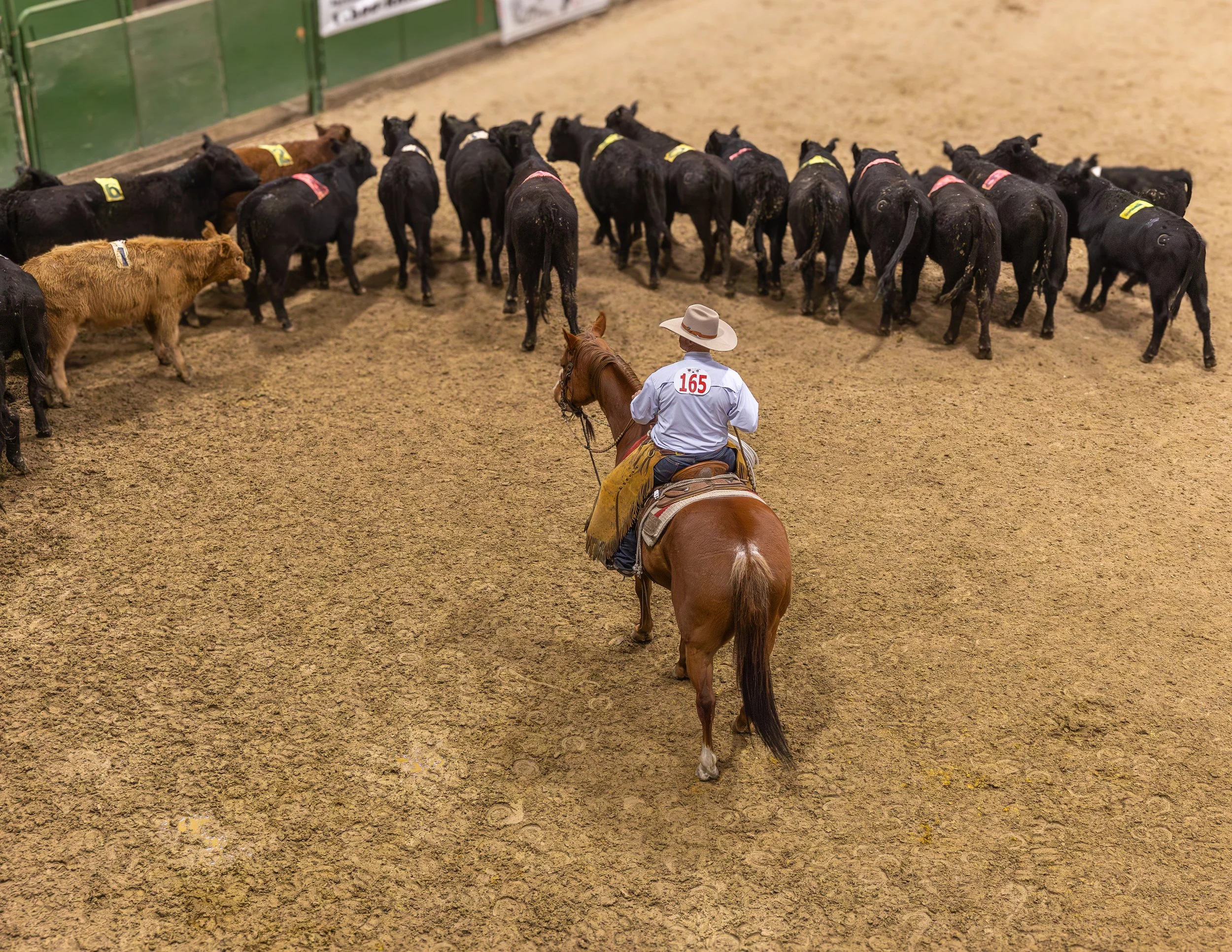
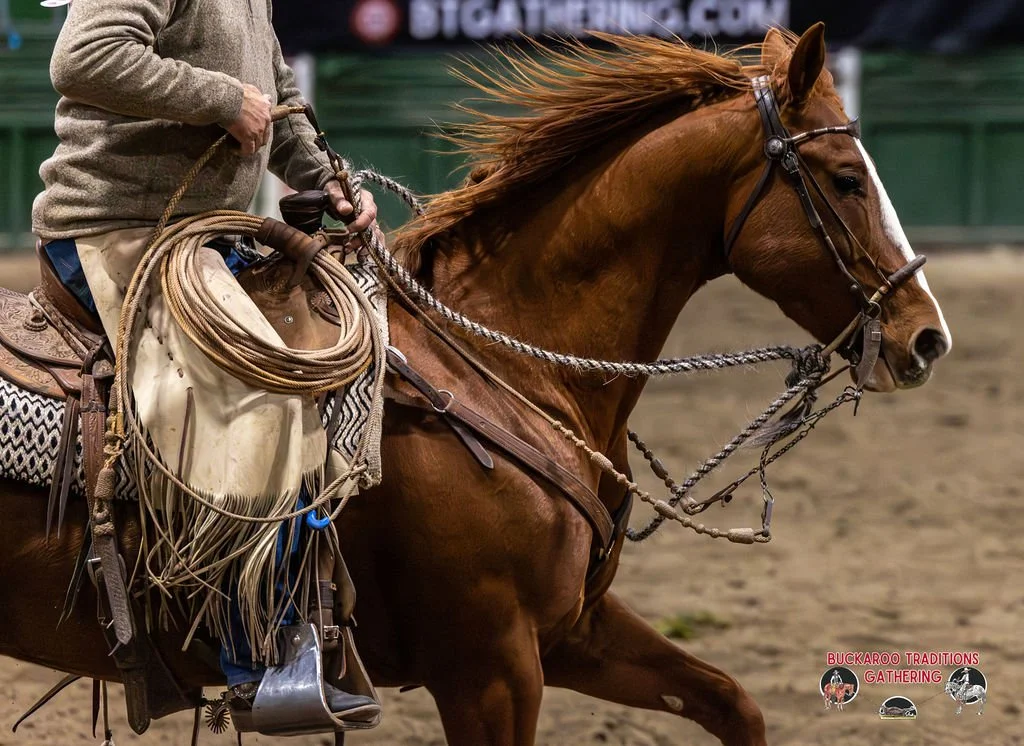
Nevada range-raised cattle are roped out of "the rodear" (herd) as teams and individuals expertly sort them, lay them down for doctoring. Competing top hands exhibit the highest level of horsemanship and stockmanship skills while roping and livestock handling.
We invite you to pay attention to the skill and handiness of the competitors. Observe how they adjust with little to no words as they work their horse and cattle in true unison.
Outside of our competition, our Buckaroo Bizarre vendors are vetted artists and makers who have mastered their centuries-old trades. We also invite organizations that provide vital resources to our rural and tribal communities. Every single one is hand-selected based on their contribution and commitment to BTG values.
A living tradition demonstrated by respected hands from across the country.
Meet the Team
-
![]()
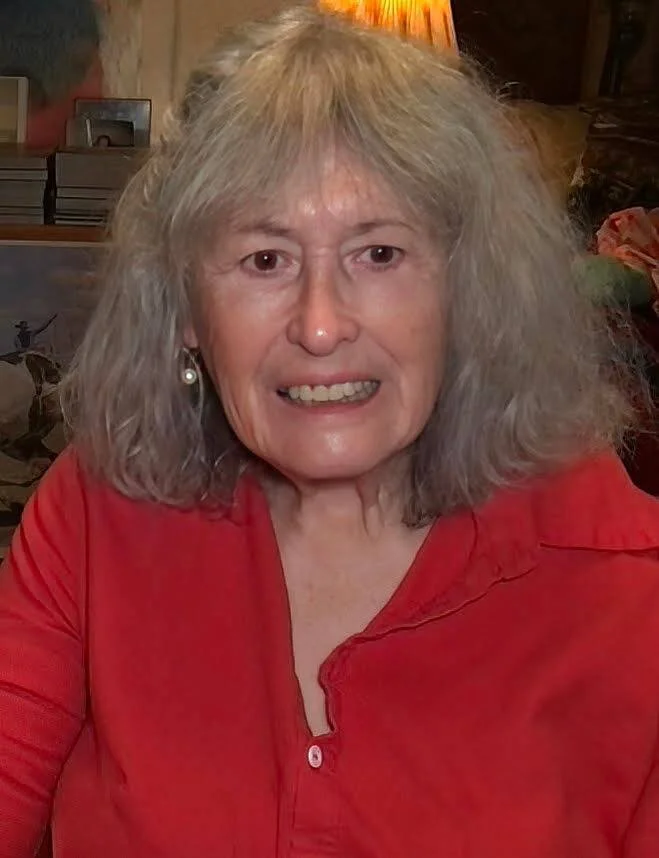
Andrea Van Leuven
CO-FOUNDER & PRODUCER
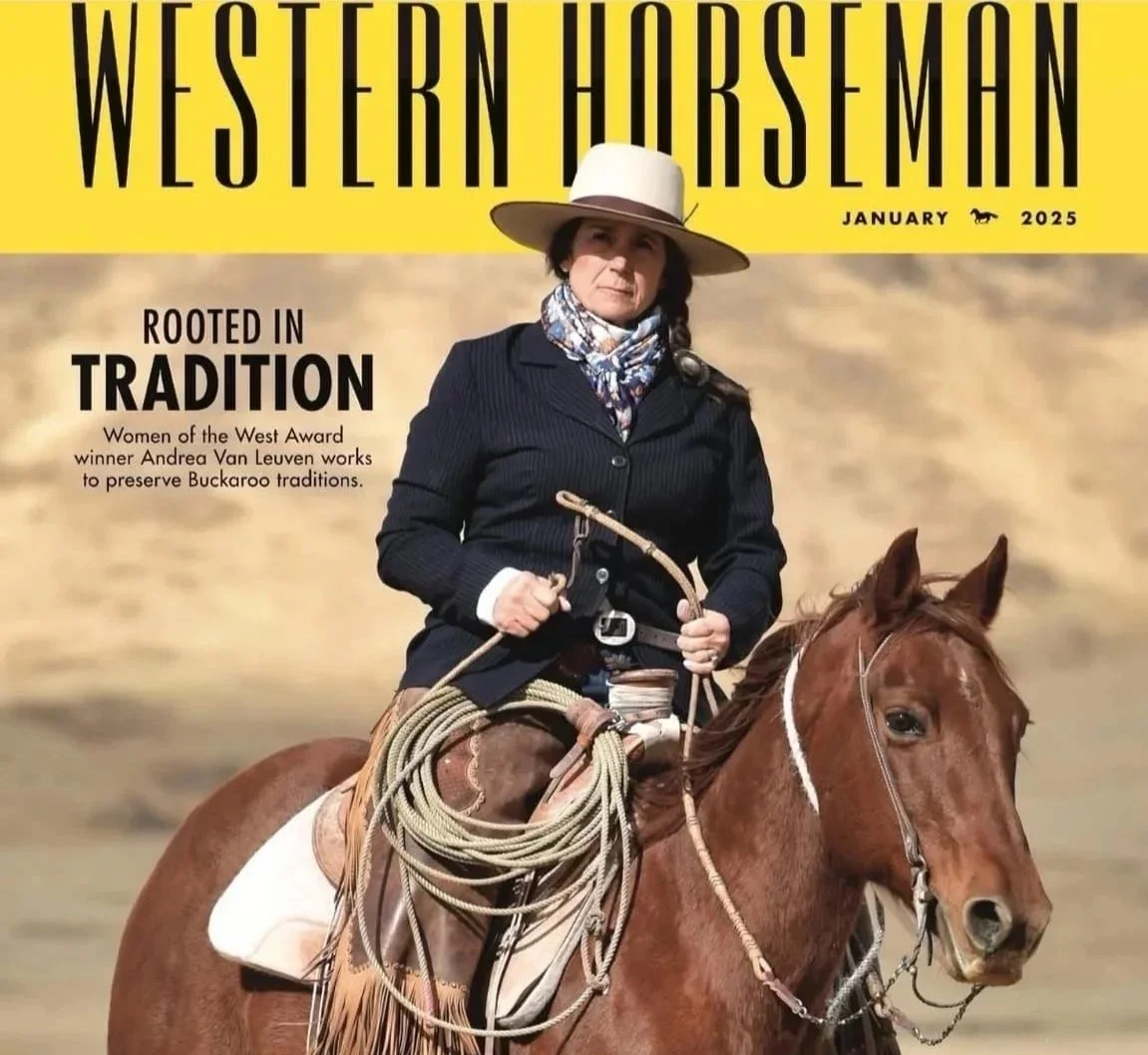
Western Horseman's 2025 Woman of the West, Andrea is the heart of BTG.She currently cowboys for the CPunch ranch in Northern Nevada & has over 30 years of experience in ranching and Buckaroo culture. She used to facilitate the “Cowboy School” ranch clinics and Horse Show Classics back in the 90s.
She takes the approach of slow and steady when working with any livestock. Whether it’s at a horse show or gathering out on the desert, Andrea always ensures low-impact on her horses and livestock.
With the growth of women joining crews and exhibiting skills, Andrea created an event that highlights the Buckaroo culture & the essential role women continue to play in it.
Andrea is a citizen of the Choctaw Nation of Oklahoma and has over 20 years of experience in event planning, substance abuse prevention, and grassroots nonprofit work. She is the President of Om Namo, BTG's host organization. -
![Scott Van Leuven]()
Scott Van Leuven
CO-FOUNDER & COWBOSS
Scott is the Cowboss for the C-Punch Ranch and has been cowboying since he was 15-years-old & has worked with a number of Buckaroo legends, including Merv Takus, Wally Blossom, and XXX to name a few.
Scott loves the Great Basin Desert and has spent most of his life day-working, riding colts, shoeing and cowboying on a majority of the ranches in Nevada. He learned the trades of braiding rawhide and building spade bits.
Scott has worked in a number of other states including California, New Mexico, and even Kentucky, where he spent time riding million-dollar race horses.Scott stresses the importance of handling cattle efficiently: working or roping them quietly, slowly and calmly so that they are always easy to handle and easy to hold up by himself. Scott strives to make soft, supple and balanced horses that enjoy their work and excel at whatever they are asked to do.
-
![]()
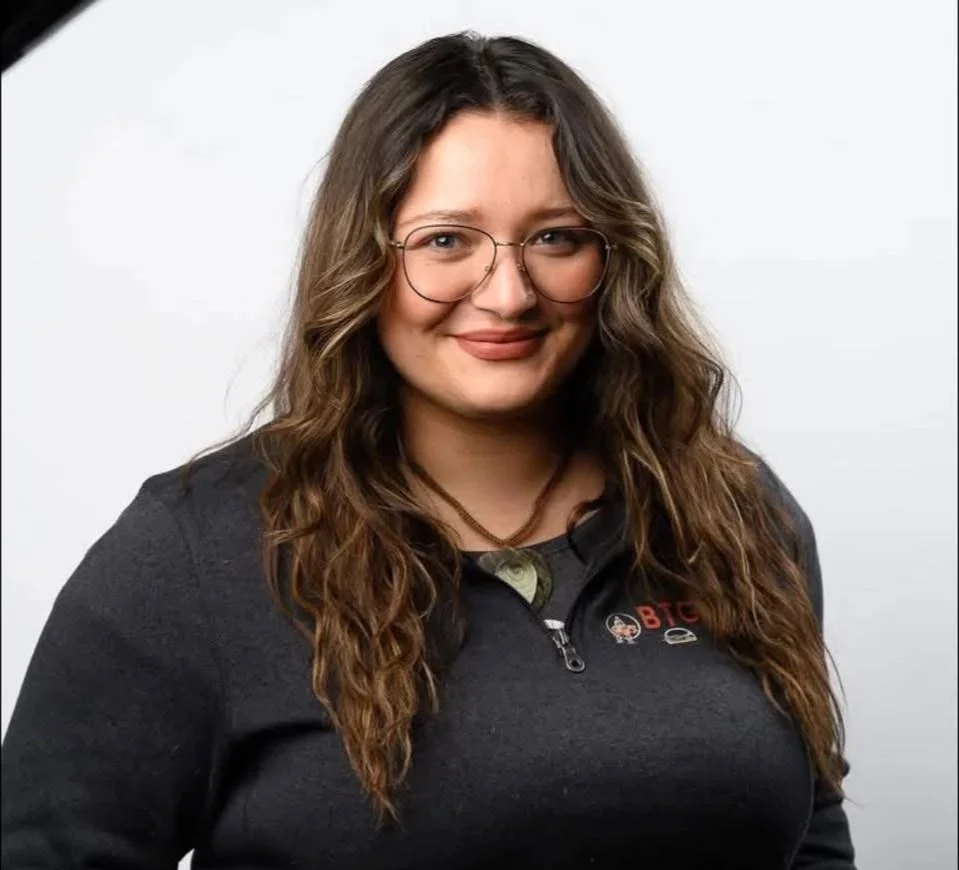
Kadie Zeller
CO-FOUNDER & OM NAMO DIRECTOR
Kadie is Andrea and Scott's eldest daughter. She grew up ranching with her parents throughout Nevada.
Kadie is a citizen of the Choctaw Nation of Oklahoma & descendant of the people of Kiribati. She is a Certified Prevention Specialist & Executive Director of Om Namo, BTG's host organization.
Her background in substance abuse prevention, mental health, & community organizing drives her passion in helping others find their roles within community. She loves working with tribal community members to help share and highlight the gifts and skills that Indigenous communities have given to the Buckaroo culture.Kadie can be found behind the scenes problem-solving and ensuring BTG runs smoothly, grows creatively, and continues to have an impact.
For Kadie, BTG is more than an event. It’s an homage to the Buckaroo legacies and stories that raised her.
-
![]()
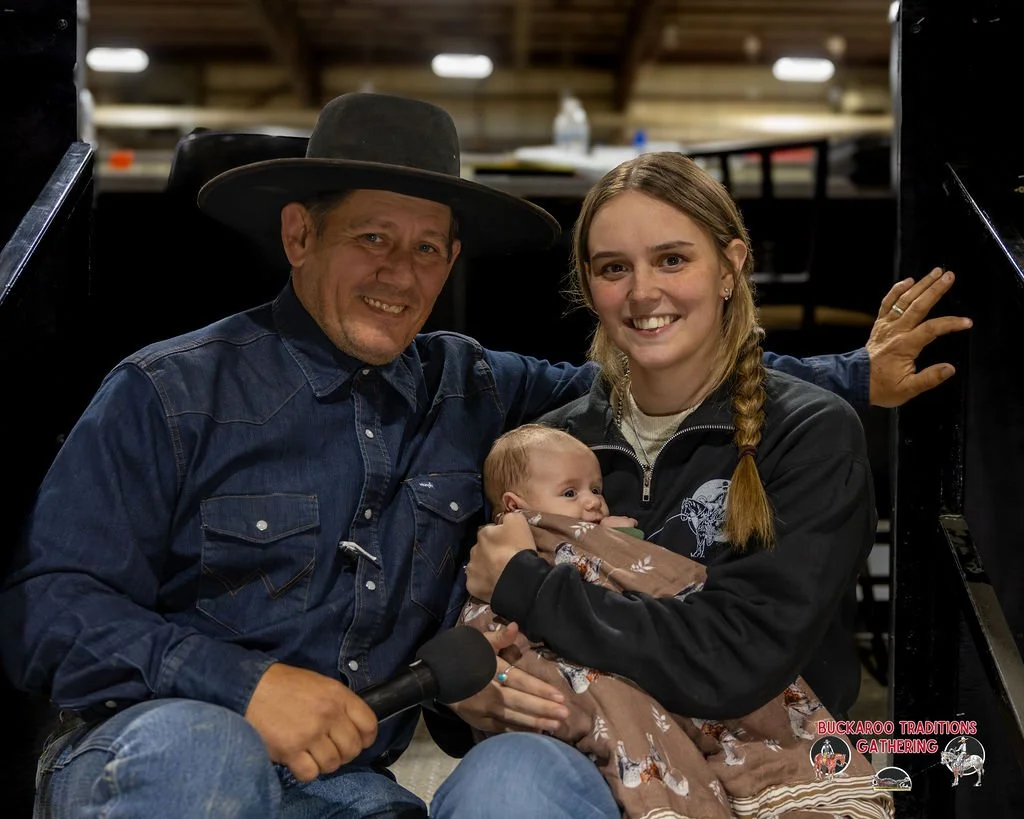
Tuffy Gessling
EVENT ANNOUNCER
For Tuffy, family is the center of his world. As a young man, Tuffy grew up reading Western Horsemen and being outdoors and with livestock at the encouragement of his grandfather. His mother and her joyful personality inspired him to become rodeo clown.Tuffy got his first horse at a young age and has had a lifetime of passion for horses and the cowboy tradition. In earlier years, he chased gold buckles in rodeo, but was never satisfied, until he arrived into the world of bridle horses.
Tuffy has worked on ranches all over the USA from California to Missouri, inlcuding the White Horse, the Rose Ranch , Mcbee ranches and the TS ranch . Every one of them has brought him closer to his goal of being a bridle horseman.
This journey continues everyday as he tries to instill the same passion and traits in his family . He is extremely grateful his supportive wife, Lonnie (the real hero), who pushes him to go farther on this journey and share this world with their children.
-
![]()
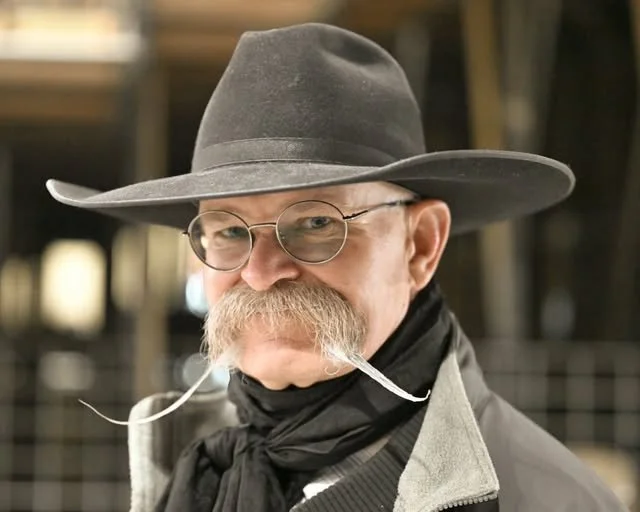
Ed Robertson
COMPETITION JUDGE
Ed Robertson grew up ranching and has always had a love of horses and all things cowboy. He has a lifetime of experience in various branches of agriculture across the West.
Ed feels learned from some of the best horsemen in history. In fact, his 4-H group was one of Ray Hunt’s first clinics.After graduating from high school, he moved to Battle Mountain, NV & spent the next 25 years cowboying in Nevada and California. Having such renowned influences led Ed to the firm belief that there is a big difference between horse trainers and horsemen. He worked with ranchers and horsemen, Tom and John Marvel. He had Tom Dorrance and Gene Perkins as mentors.
His experiences in ranching and riding laid the foundation for success in training and showing reined cow horses and cutting horses. His list of titles includes wins in some of the most competitive levels in National Reined Cow Horse Association (NRCHA) shows, from snaffle bit to bridle, as well as wins in the cutting arena. -
![]()
Dave Stoddart
COMPETITION JUDGE
Dave was raised on his family's ranch in the wide open country of Southeastern Oregon. Crooked Creek Ranch is one of the last remaining ranches to exclusively brand outside in the true rodear style. No traps. No fences.
Dave learned to rope and ride from well-respected reata men and spent his early years working on ranches such as Don Miller's Rock Creek Ranch, the MC, and the Whitehorse Ranch among others.
A lifelong buckaroo, Dave has spent his whole life working to perfect his horsemanship, stockmanship, and roping skills. His style is heavily influenced by some of the world's finest horsemen, chiefly Tom Dorrance and Larry Nelles and he feels blessed by the time he got to spend with them.
Dave has competed in the Californios and Northern Range Ranch Roping competitions. Currently, he runs the family ranch, passing his knowledge and traditions on to his seven children. -
![]()
Jim Prewitt
COMPETITION JUDGE
2023 BTG Buckaroo Legacy, Jim was born and raised in Santa Maria, CA to a ranching family. Jim has a long lifetime of cowboying and the stories to prove it.
Early in life, he had a passion for riding bulls and saddle broncs, & later rodeoed for Hartnell College. He made the collegiate national finals in saddle bronc riding, and became a professional bull and saddle bronc rider. He competed in the PRCA for a number of years.
Jim worked for Jim Indart at the French Ranch in Hollister, CA. He was a very well respected horseman, instilled the of the Vaquero tradition within Prewitt.
Jim spent significant time in Nevada as the Cowboss for the T Lazy S Ranch and work on the Winecup-Gamble Ranches. His time here fine tuned his desire to make really nice bridle and show horses.
Jim manages a cow/calf operation in California and runs his own commercial cow/calf operation on the family ranches near Hollister and Los Banos, CA. -
![]()
Jennifer Denison
EVENT PHOTOGRAPHER, OWNER OF CULTURED COWGIRL COLLECTIVE
Jennifer Denison, owner of Cultured Cowgirl Collective, is an award-winning photographer and writer who has specialized in documenting the stock horse industry, ranching and cowboy culture for more than 30 years.
She has traveled extensively throughout the West, as well as to Italy, Canada and Costa Rica, to gather stories about the faces, places and issues shaping the modern West. She is best known forher role as seni or editor of Western Horseman, a post she held for 20 years. Her work continues to grace the pages of
Western Horseman, as well as Cowgirl Magazine, Western Life Today and Reined Cow Horse News.
She is a regular contributing photographer at events such as Art of the Cowgirl and the Early Californios Skills of the Rancho and is honored to photograph the Buckaroo Traditions Gathering. -
![]()
Mary Williams-Hyde
EVENT PHOTOGRAPHER, OWNER OF BUCKAROO COUNTRY
Mary Williams Hyde, owner of Buckaroo Country Photography, started documenting traditional ranch roping events in 2006 at The Californios and Yamsi Ranch Traditional Ranch roping events.
Since then, she has photographed many more events including three more Californios events, several Klamath Traditional Ranch roping events, the Vaquero Fiesta, the Will James Roundup, and all of the Great Basin Buckaroo Gathering events in Ogden, Utah.
She has had the great privilege to photograph traditional ranch roping skills on display at many of the big desert outfits from Eastern Oregon, Northern Nevada, Northeast California, and more.For Mary, It is important that these vaquero/buckaroo roping skills be passed on and she looks forward to this event that celebrates them.
Volunteers
BTG is supported by a team of Vital volunteerS that help year-round
Kelli Leird
Katy Hammon
Maggie Allison
JJ Roemicsh
Allison Landro
Fran Nicewonger
Jennifer Denison
Greg Ramos
Blane Merkley
Gwen Hoy
Jo Montelongo
Nizhoni Widehat
Macey Zeller
Jackie Nelson
Caleb Holley
Lauren Camacho
Kadee Muratore
-
“Buckaroo” is an interation of the Spanish-term “vaquero,” meaning cowboy, and was originally reserved for the working men on the lower end of the hierarchy. Cowbosses ran the ranches and cowmen/cattlemen were the owners.
Buckaroo culture is a homogenization of Spanish & Mexican Californios, Native American, Freedmen, and early ranching families.
It is a term and culture that originated in the Great Basin—northern Nevada, southern Idaho, northeast California and southeastern Oregon—as a result of the colonization and selling of tribal lands to ranching families during the late 1800s.
-
A traditional style of western ranch roping rooted in the Great Basin buckaroo and California vaquero traditions.
Ropers use exceptionally long ropes and must swing an oversized loop, often 20 feet or more in length, to catch livestock in open-range ranching.
-
In Spanish, “rodear” means “to surround,” “to encircle,” or “to go around.“
In Buckaroo ranching culture, is both a noun and a verb.
As a verb, often used in the phrase to “hold rodear,” circling up the cattle and it refers to the keeping them calmly bunched together so that riders can inspect, rope, or doctor individual animals without the herd scattering.
Once the cattle are grouped and settled together, it is called “the rodear.”
Rodear is It is also the direct root of the word “rodeo.”
-
A reata/riata is a long, hand-braided rawhide rope created by Mexican and Spanish vaqueros. They require meticulous care and are much harder to use.
Derived from the Spanish word “reatar” (to retie), these specialized ropes range from 30 to 80 feet long and are characterized by their unique weight, stiffness, and feel.
Unlike modern ropes, reatas move much faster, making them more approriate for long-distance shots.
-
A gathering where working cowboys, buckaroos, and makers barter, trade, or sell traditional ranch gear, bits, spurs, ropes, and leather goods.
Gear trade parties are an important cultural aspect of the Buckaroo community. It provides a space for the exchange and transmission of stories, knowledge and community information.
-
Cavvy derives from the Spanish word “caviata” and refers to the group/string of saddle horses owned by the ranch for gathering and working livestock. Sometimes this is also referred to as a “remuda.”
Each rider is assigned several specific horses which make up his “string” of horses to ride.
General TERMS
BUCKAROO TERMINOLOGY
-
A reata/riata is a long, hand-braided rawhide rope created by Mexican and Spanish vaqueros. They require meticulous care and are much harder to use.
Derived from the Spanish word “reatar” (to retie), these specialized ropes range from 30 to 80 feet long and are characterized by their unique weight, stiffness, and feel.
Unlike modern ropes, reatas move much faster, making them more approriate for long-distance shots.
-
Pronounced “shaps,” these are leather leg coverings worn for protection when riding, roping, and branding.
STYLES:
Chinks are a style of shorter chaps that fall over the knees with rounded bottoms and fringe and an adjustable waist belt. This style gives Buckaroos flexibility and breathability
Armitas are the Mexican Vaquero style chaps that are similar to chinks or half-chaps, typically extending just below the knees, with square bottoms, fringe including a distinct fringed apron/flap across the waist belt. They traditionally have a leather thong to adjust and tie rather than an adjustable belt on the waist.
Shotguns are full-length chaps that go from the waist to over the cowboy boot that can be step-in or zip/buckle-up. They are are primarily in rough country, harsh winters, and horse shows.
Woolys are heavy full-length chaps made with fur (typically buffalo, bear, Angora, or other heavy hides) or fleece. These are designated for extremely cold seasons.
-
Pronounced “roe-mell,” these are hand-braided long, closed rawhide reins typically paired with leveraged curb and spade bits.
The reins connect to the bit with rein chains, and are finished with leather popper at the end.
-
Item description
-
A long rope of twisted horsehair pulled from the mane or tail used on a hackamore or in part of the 2-rein setup on a horse.
The mecate is the rein system of the bosal style hackamore
-
Item description
-
Item description
-
A heavy-duty waterproof canvas shell that wraps around blankets and a mattress pad that is often rolled up and held together by leather straps with buckles or ropes.
Unlike typical camping bed setups, a bedroll packs into one contained unit. You can strap it down wherever you need, ready to hit the road or trail!
-
flat hats
Gear Terms
-
You can reach us anytime via our contact page or email. We aim to respond quickly—usually within one business day.
-
A situation is about to escalate and get wild.
-
A “finished” horse that has gone through the bridle horse-making process and is ridden with one hand off of a signal bit, like a spade
-
A casual, humorous expression meaning to tell tall tales, exaggerated stories, and experiences.
BUCKAROO Phrases
-
Dally comes from the old Spanish phrase “dale vuelta,” meaning “give it a turn.”
Opposite of the to the “hard-and-fast”roping style, the dallying method wraps the long rope around the saddle horn so it can run, hold tight, or give slack when a roped animal is being caught, held, and doctored.
-
Iteration of the term “jáquima,'‘ which means a halter or headstall
A bitless headgear made from a bosal, headstall hanger, a headstall hanger, and a mecate. This is used as a transitional setup after the snaffle bit to start young horses and build a responsive, light-mouthed "bridle horse" without putting metal inside of their mouths.
-
The 2-Rein helps move a horse from a hackamore into a full bridle bit. It helps preserve horses’ mouths through their transition into the bridle.
The mecate attaches to the bosalito (small/pencil bosal) beneath the horse's chin to guide the horse
"Two Rein" is where the Vaquero would use a thinner, simpler version of the hackamore nose piece, the bosal. This bosal was lighter for this part of the training. The mecate bridle had a spade bit and a braided rawhide romel rein. During this stage of the training, the Vaquero would hold both sets of reins and the horse would be controlled with mostly the bosal and light on the bit. Then the Vaquero would transition to only using the bit and would then get rid of the bosal all together.
-
Types of Bits:
Spade bit is known as a “signal” bit. The long tapering port, complete with spoon, cricket and copper covered braces is configured in such a way as to encourage and allow the horse to “pick up” the bit in his mouth and “carry it.”
Bridle Horse Process
Roping & Shot Terms
-
Dally comes from the old Spanish phrase “dale vuelta,” meaning “give it a turn.”
Opposite of the to the “hard-and-fast”roping style, the dallying method wraps the long rope around the saddle horn so it can run, hold tight, or give slack when a roped animal is being caught, held, and doctored.
-
Dally comes from the old Spanish phrase “dale vuelta,” meaning “give it a turn.”
Opposite of the to the “hard-and-fast”roping style, the dallying method wraps the long rope around the saddle horn so it can run, hold tight, or give slack when a roped animal is being caught, held, and doctored.